Deterministic AI follows rigid rules for repeatable outputs; generative AI uses probabilistic reasoning to create new content. Learn when each approach fits—and why hybrid systems combine both.
ARPU tells MVNOs what customers spend—not why or where they find value. Behavioral AI reveals high-intent moments, powers smarter bundling, and cuts acquisition costs.
Price competition is a dead end for MVNOs facing rising wholesale costs and zero switching friction. Real-time behavioral AI is now the decisive differentiator for retention, ARPU, and loyalty.
Bank MVNOs already have trust, distribution, and rich transactional data. The real acquisition edge comes from using behavioral insights to personalize outreach from day one.
Most personalization systems focus on what customers usually do, but behavior becomes far more predictive when interpreted through time, place, and immediate action.
Behavioral segmentation only drives real results when it moves beyond static psychographics into real-time, continuously learning models grounded in actual behavior.
Customer engagement at scale requires a full-stack approach: analytics, predictive analytics, and real-time dynamic intervention working in one continuous learning loop.
Most personalization still relies on single-model assumptions. A model-per-customer strategy enables true contextual predictions by learning from each individual's behavior over time.
Loss Aversion amplifies the perceived failure rate of rejected offers so your system prioritizes promotions customers are most likely to accept.
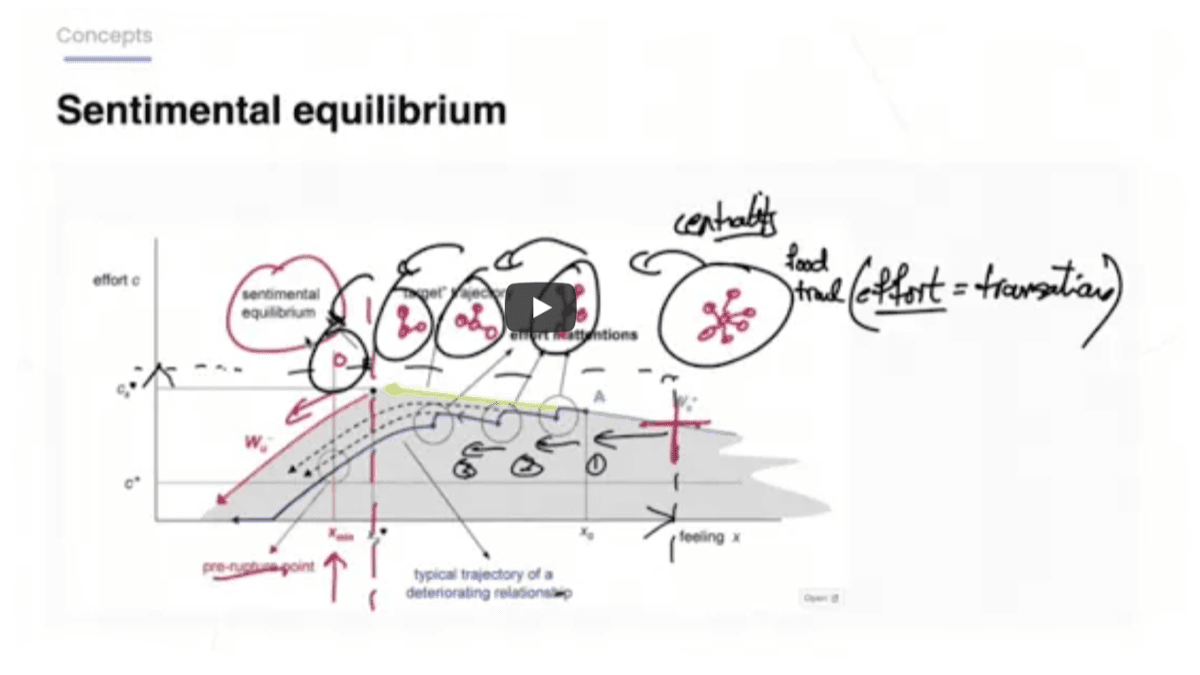
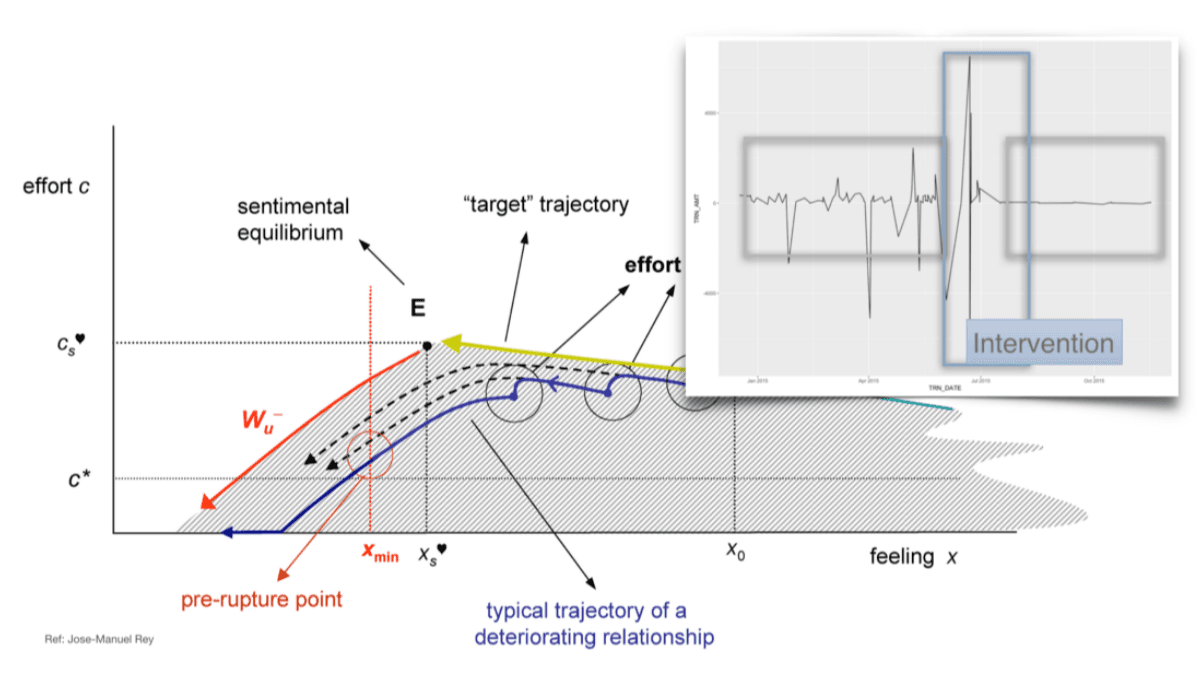
Customer churn behaves like marital breakdown: relationships decay unless the right effort is applied at the right time. Behavioral intelligence detects early emotional shifts before customers leave.
True personalization demands an architectural shift. Learn why bolting AI onto legacy systems fails and what a behavioral intelligence framework actually requires.
Traditional segmentation treats customers as static groups. Discover how behavior-based Spend Personality scoring enables true segment-of-one personalization.
A year-end retrospective on ecosystem.Ai’s biggest milestones in 2025, from intent-detecting chatbots to redefined personalization strategies.
A/B tests are too static for today’s dynamic digital interactions. Learn how multi-armed bandits optimize in real time by balancing exploration and exploitation.
AI-driven engagement needs anthropological depth. This article explores how merging algorithmic intelligence with anthropological sense-making transforms customer understanding.
The AI hype era is over. Businesses that generate real value are those that strategically match AI capabilities to well-defined business problems.
Large language models are too general for agentic AI. Research shows smaller, specialized models deliver faster, cheaper, and more reliable agent performance.
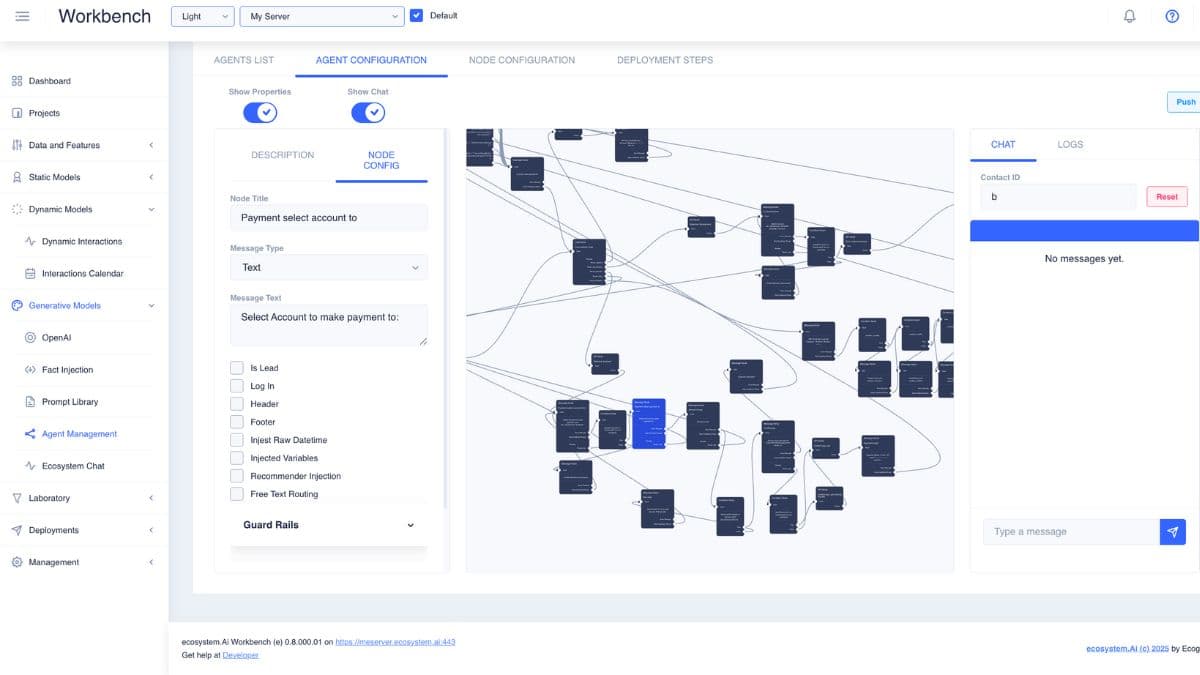
Most banking chatbots fail at complex queries. See how the open-source Ecogentic Chat uses intent detection and fact injection to transform customer engagement.
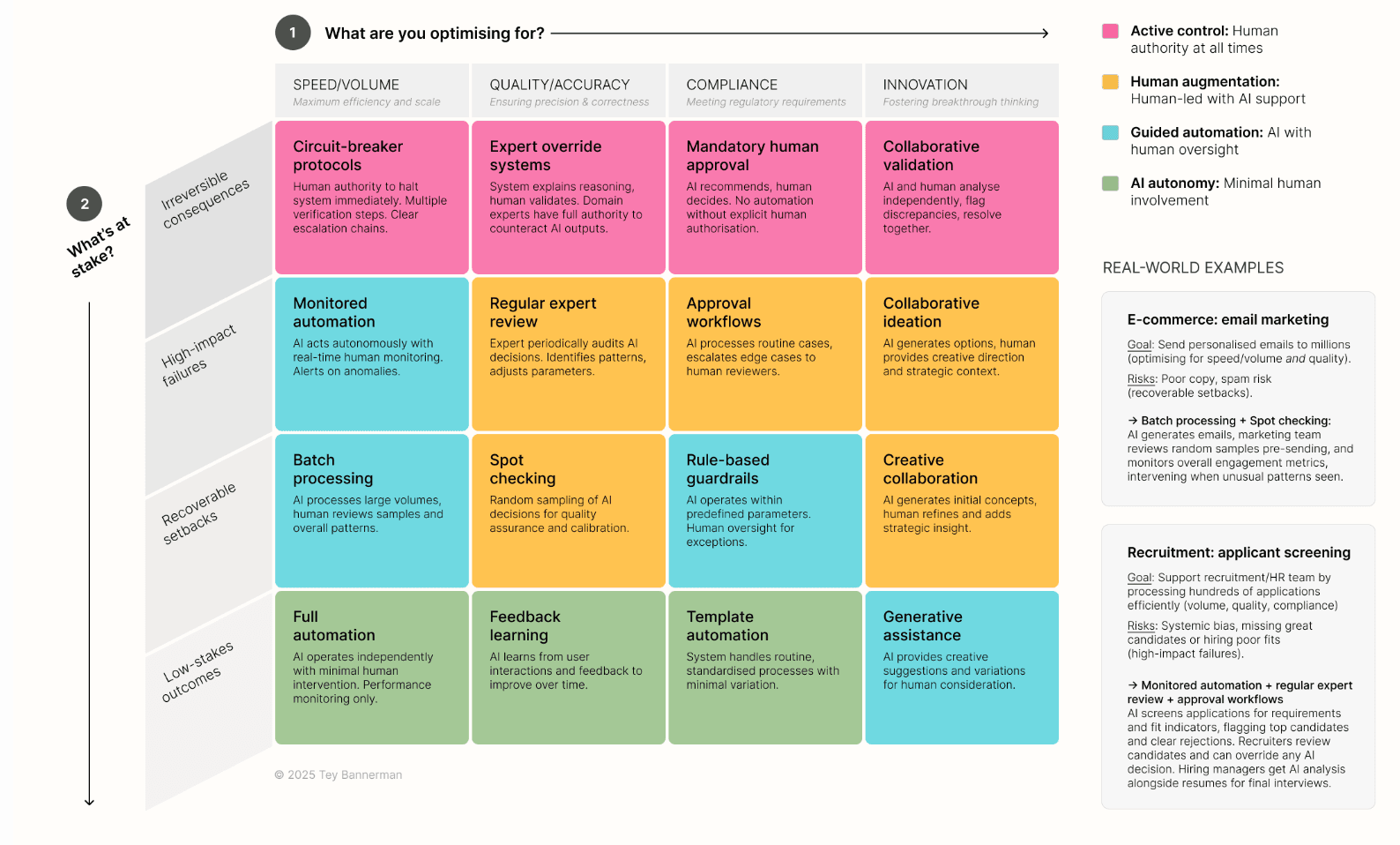
AI-driven automation is cutting jobs, but removing human agency creates brittleness and accountability gaps. The answer lies in intentional human-AI design.
The demand for ‘perfect’ data stalls AI adoption. When modeling human behavior, messy data often reflects reality better—what matters is choosing the right tools.
Data scientists resist AI tools that treat them as replaceable. The platforms that earn trust are those that augment expertise rather than abstract it away.
Predicting human behavior demands more than a single model. Loosely coupled ensembles combine independent models to handle uncertainty, time-sensitivity, and real-world complexity.
Traditional market research freezes customers in time and can stifle innovation. Real-time behavioral data reveals what customers want before they know it themselves.
Spend Personality algorithms help banks promote financial wellness by modeling individual habits and tailoring guidance that serves both customer health and lifetime value.
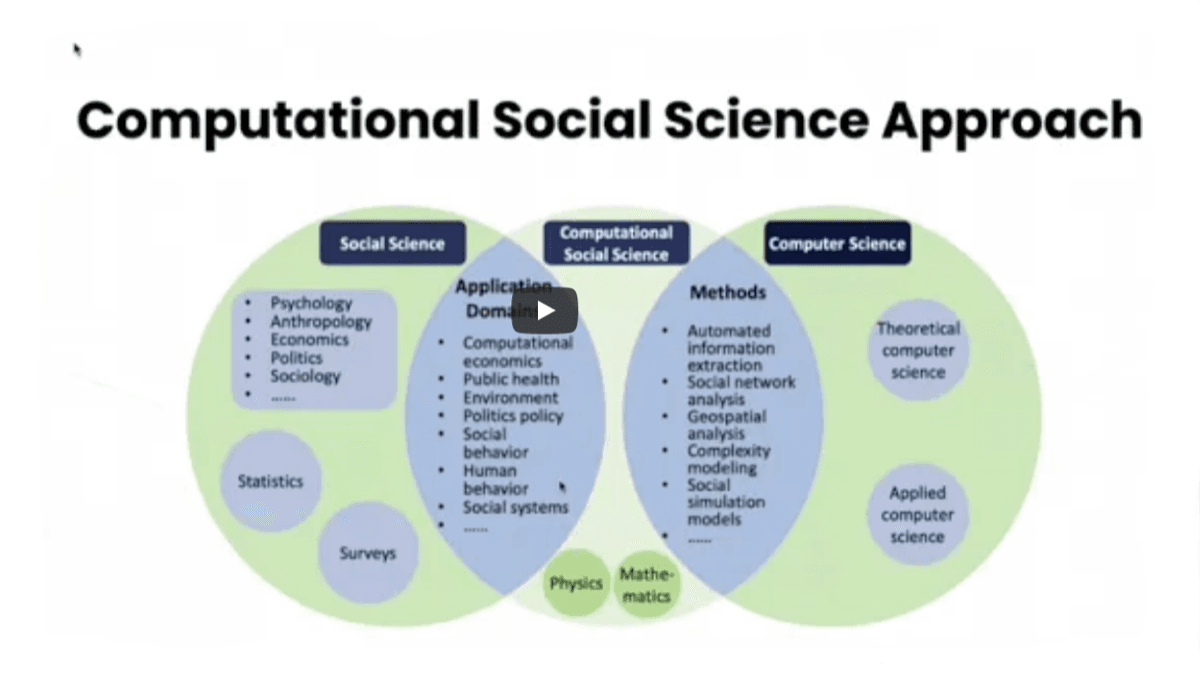
As money went digital, so did the behavioral data it generates. Computational social science extracts spending patterns to help businesses truly understand their customers.
Human language is rooted in experience and emotion; machine language runs on statistics. Knowing the difference is essential to using AI as a complement, not a replacement.
LLMs are linguistically useful but not factually accurate by design. Fact Injection goes beyond standard RAG to anchor generative models in verified, contextual truth.
In digital sales, relevance beats product quality. Behavioral algorithms detect intent and sentiment to deliver the right offer at exactly the right moment.
Customer happiness is a complex behavior, not a survey checkbox. Behavioral algorithms measure satisfaction through digital traces rather than unreliable self-reporting.
Most loyalty programs reward transactions, not people. Financial services can build lasting loyalty by putting genuine customer value ahead of short-term profitability.
Four behavioral algorithms rooted in social science theory transform customer interactions from hopeful guesses into precise, psychologically informed recommendations.
Machine learning can measure and improve customer financial wellness without survey bias, using transactional data to build a truer picture of financial health.
Personalization based on demographics freezes customers in time. Learn why dynamic, real-time behavioral models are essential to keep up with ever-evolving individuals.
Lengthy Proof of Concepts and vendor-led evaluations are holding businesses back from AI adoption. Discover a faster, outcome-driven approach to stay competitive.
An adjacency architecture lets you integrate advanced AI capabilities without vendor lock-in, so you can lead with business outcomes instead of chasing features.
Banks that win trust are those that turn data into genuine understanding. Discover how Interaction Science restores the human touch to digital banking.
Computational Social Science transforms everyday digital traces into precise behavioral insights, enabling institutions to understand not just what customers do, but why.
Customer inertia keeps banking relationships stagnant. By tapping into the human need for novelty and AI-driven personalization, banks can turn routine into engagement.
History-based predictions freeze context in time and miss how people actually evolve. Continuous real-time recalibration keeps your predictive models accurate and relevant.
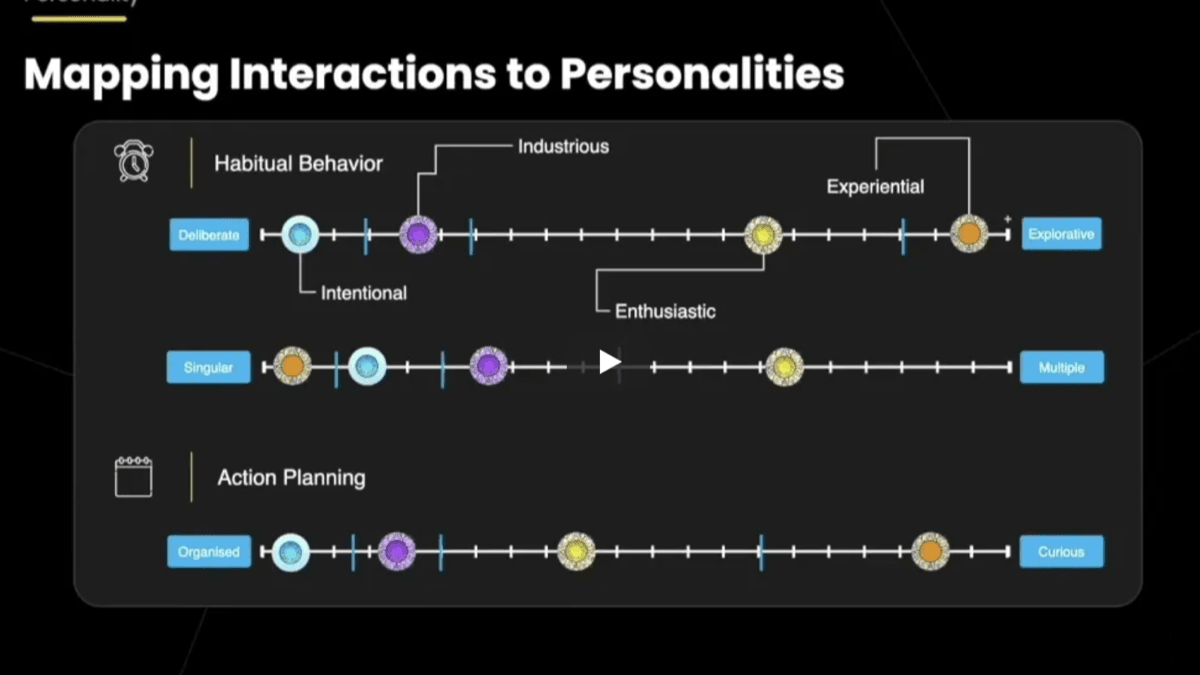
Traditional financial profiling misses the behavioral story behind transactions. Spend Personality classifies customers into six distinct profiles to drive deeper engagement.
Not every customer needs the same level of attention. The Client Pulse Responder uses behavioral science to find the optimal engagement energy for each individual.
Mathematical models lack human nuance, while intuition lacks rigor. Behavioral prediction combines social science with data precision for a more complete view of the future.
Consumers face thousands of sales messages daily. Intelligent Sales uses real-time adaptation and behavioral insight to cut through the noise and drive meaningful action.
Off-the-shelf AI agents can't deliver tailored engagement. Building your own gives you cost efficiency, scalability, and a lasting competitive edge.
Humans are creatures of habit shaped by social learning. Decoding these predictable behavioral patterns gives companies a powerful way to anticipate customer actions.
Agentic AI shifts the human-machine dynamic from instruction to collaboration. Learn how to implement autonomous agents that stay personal and aligned with your brand.
Spend Personality reveals how customers buy, but Money Personality goes further — capturing earning, saving, and investing patterns across six behavioral types.
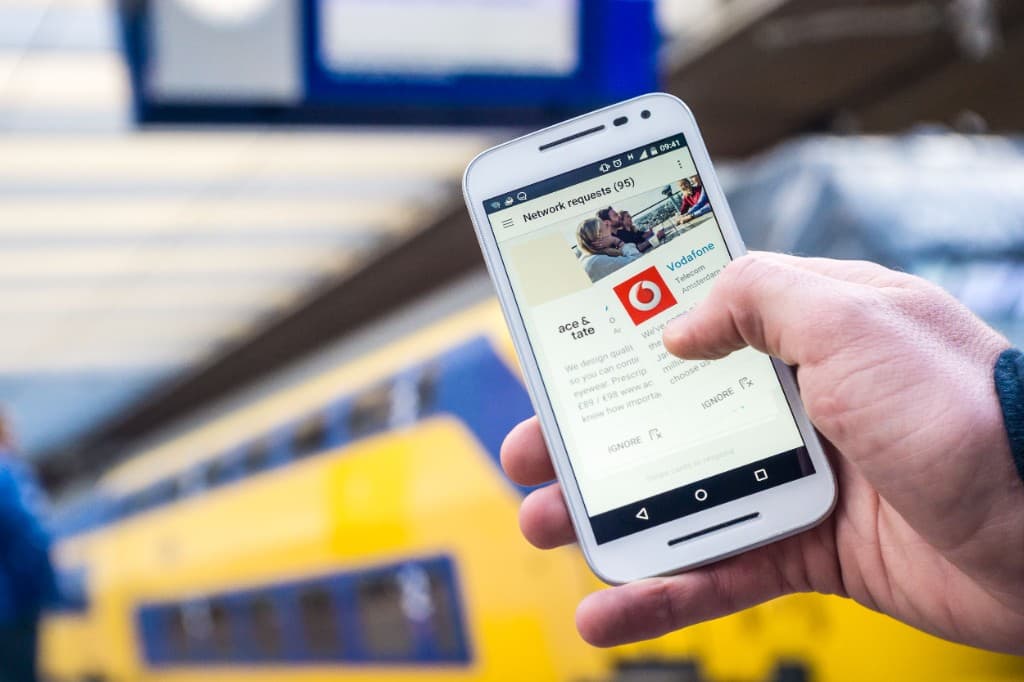
Telecom companies must deliver the right offer at the right moment. The Interaction Sciences Module uses real-time behavioral AI to personalize engagement and boost conversions.
Complex mathematical models are no better than tea-leaf reading when they ignore how people actually change. Effective prediction starts with understanding human behavior.
Personalization demands more than demographics. Spend Personality analyzes transaction patterns to reveal lifestyle choices, values, and untapped engagement opportunities.
Traditional recommender systems group users by similarity and miss individual nuance. Adding behavioral science and personality models makes recommendations truly personal.
Computational social science helps financial institutions personalize wellness plans and improve customer lifetime value by prioritizing what's good for customers over short-term gains.
Spend Personality uses behavioral algorithms to classify customers by their spending patterns, enabling companies to engage at the right time and in the right way.
CSAT and NPS surveys fail to capture real customer emotions. Behavioral analysis offers a more reliable, real-time way to detect and act on customer happiness.
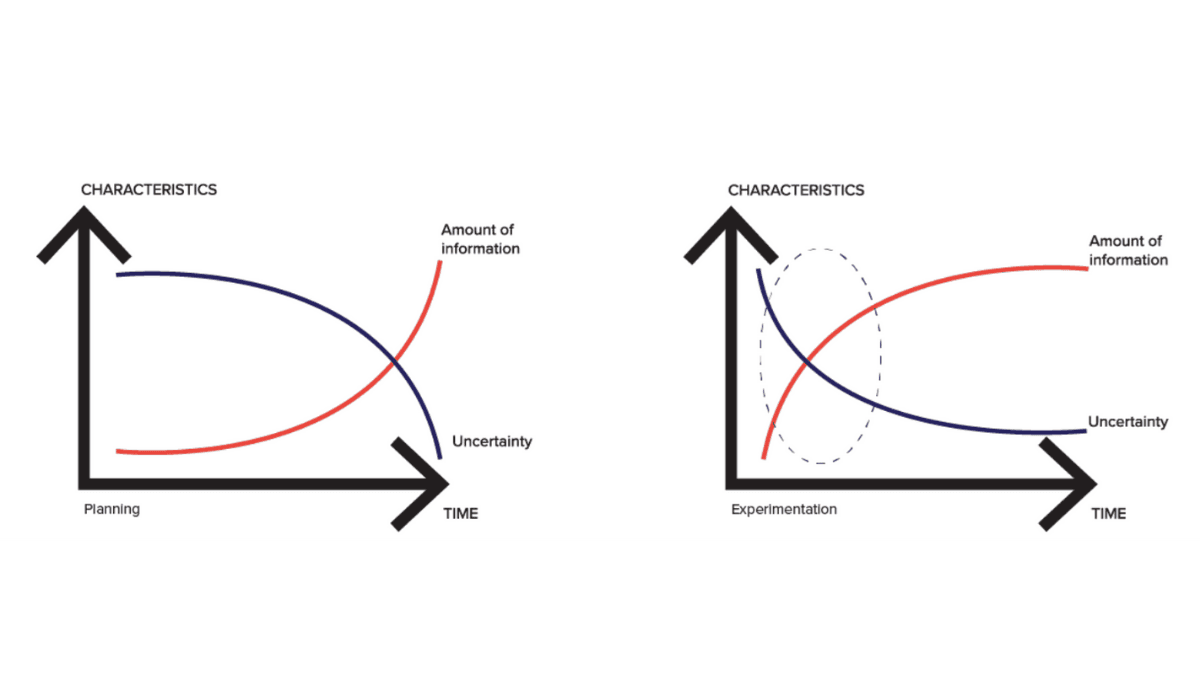
A/B tests limit you to a handful of options. Dynamic experimentation lets you test everything at once, learn in real time, and converge on what actually works.
Dynamic experimentation lets you learn from real-time customer behavior, test in production, and deliver personalized experiences without relying on historical data alone.
54% of customers say marketing messages miss the mark. Broad segmentation alienates more than it engages — dynamic experimentation offers a smarter path to relevance.
Dynamic experimentation replaces the traditional data science waterfall with real-time, production-based learning that continuously adapts to changing customer behavior.
Choosing the right recommender starts with understanding your audience relationship — consumer, customer, or client — and experimenting to learn what truly resonates.
Behavioral nudges work best when they benefit both the customer and the business. Tracking time, location, and action data makes nudging more effective and less manipulative.
Low-code platforms let data scientists focus on predictions instead of infrastructure, getting recommenders into production in hours rather than months.
Novelty drives engagement, but designing it is a paradox — asking customers what they want produces the familiar. Let experimentation reveal what's truly novel for your community.
AI can detect emotional shifts through changes in spending and behavioral patterns, then adjust recommendations and messaging to match a customer's current state.
Four practical strategies — from cultural sensitivity to dynamic experimentation — help businesses build AI systems that truly account for the humans they serve.
Cultural context shapes how people react to new experiences, making cold-start prediction difficult. Understanding cultural norms helps pre-calibrate AI for first-time interactions.
Time is more than a timestamp. ecosystem.Ai uses time-based behavioral variables to ensure human context is always part of the prediction.
Time series analysis depends on three key factors — Time, Place, and Act — to identify behavioral changes and forecast future actions using machine learning models.
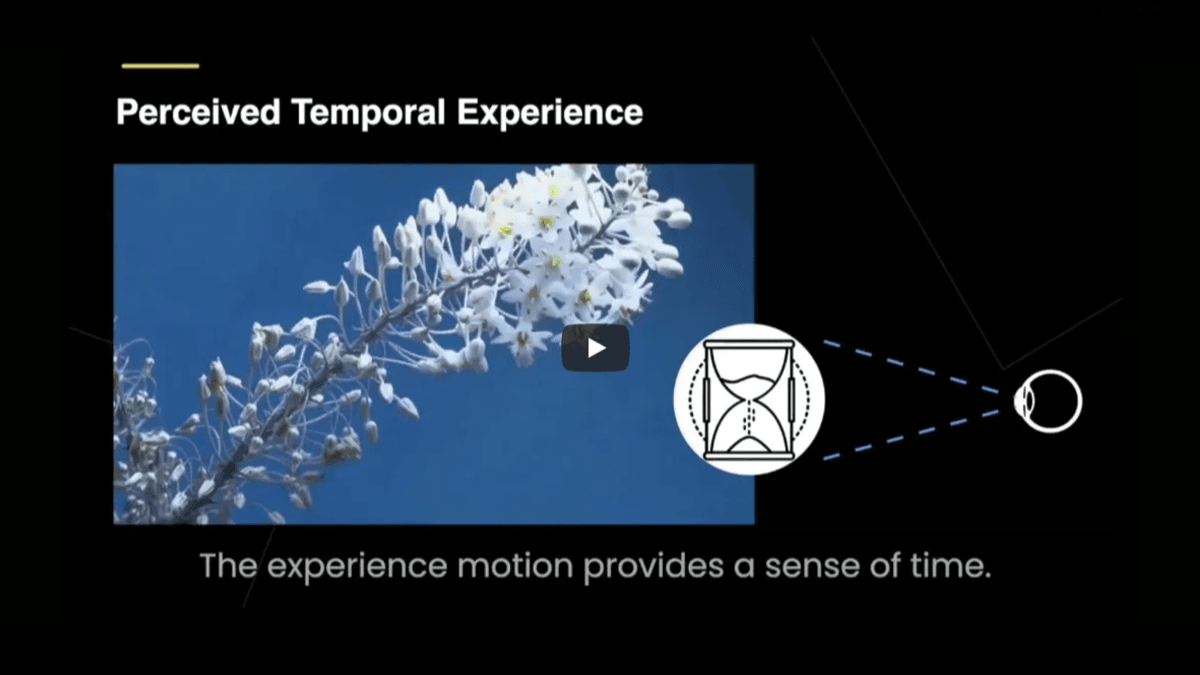
Time shapes every human action and interaction. Understanding its theories helps build better products and make more meaningful use of behavioral data.
Different languages encode different layers of meaning that standard NLP can miss. Effective language analysis requires cultural fluency, not just translation.
Real-time data analytics lets businesses act on customer behavior as it happens, enabling faster decisions, better satisfaction, and measurable revenue growth.
AI can transform business outcomes from sales to internal operations, but successful implementation requires keeping the human benefit at the center of every decision.
Customer happiness hides inside transaction data. Behavioral algorithms help identify and act on the emotional signals your customers leave behind.
Predicting churn isn't enough — companies need to personalize how they intervene. AI-driven personality classification enables retention strategies tailored to each customer.
Defining 'good' behavior depends entirely on context. Grounding AI in sociological frameworks helps businesses more validly predict and nurture positive customer actions.
Good behavior is culturally relative and context-dependent. AI systems need sociological grounding to create individualized measures rather than one-size-fits-all standards.
Most recommenders ignore the person being recommended to. Accounting for human anticipation and behavioral consistency makes recommendations genuinely relevant.
Computational Social Science merges behavioral theory with technology to measure customer happiness more accurately — and Spotify offers a surprising clue to how.
Insights
Webinars, research, and event updates for teams shipping AI to production.


















-to-Make-a-Prediction-1.jpg&w=3840&q=75)